





Detailed Imaging of the Bones and Structure of the Spine
A spine CT scan provides highly detailed images of the bony structures of the spine.
This imaging study helps identify fractures, bone changes, spinal alignment issues, and other structural problems that may be contributing to pain or neurologic symptoms.
👉 Request an Appointment
👉 Refer a Patient
What Is a Spine CT Scan?
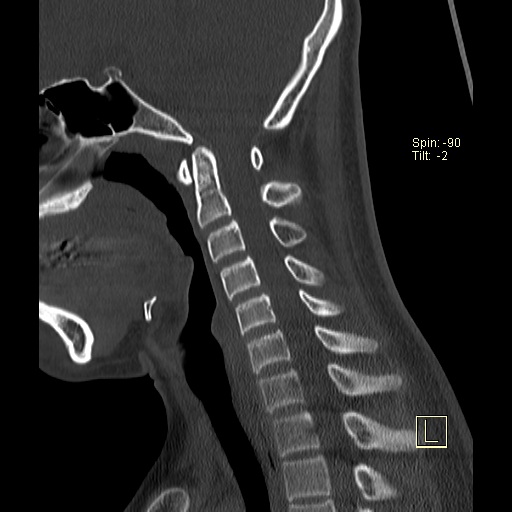
CT stands for Computed Tomography.
A CT scan uses X-rays and advanced computer imaging to create detailed cross-sectional images of the spine.
Unlike MRI, which focuses more on soft tissues and nerves, CT is especially useful for evaluating:
- Vertebrae
- Bone anatomy
- Fractures
- Bone spurs
- Spinal alignment
- Prior surgical hardware
Why Might I Need a Spine CT?
Your physician may recommend a CT scan if there is concern for:
- Spinal fracture
- Bone abnormalities
- Degenerative bone changes
- Hardware evaluation after prior surgery
- Surgical planning
- When MRI is not possible
What Conditions Can It Help Diagnose?
A spine CT can help identify:
- Compression fractures
- Spinal instability
- Bone spurs
- Degenerative arthritis
- Spondylolisthesis
- Complex spinal anatomy
- Fusion healing after surgery
What to Expect During the Test
During the scan:
- You will lie on a padded table
- The table moves through the CT scanner
- Images are captured in just a few minutes
Most scans take 10–20 minutes.
Some studies may require contrast dye for additional detail.
Why CT Matters in Spine Care
CT imaging helps your physician:
✓ Evaluate spinal bone structure
✓ Assess fractures or instability
✓ Review prior surgical hardware
✓ Guide treatment and surgical planning
It provides important structural detail that may not be fully visible on MRI.
Is a CT Scan Safe?
CT scans involve a controlled amount of radiation.
They are considered safe when medically appropriate and provide valuable diagnostic information.
Be sure to tell your care team if you:
- Are pregnant
- Have contrast allergies
- Have kidney problems (if contrast is being used)