





Hydrocephalus is a condition where excess cerebrospinal fluid (CSF) builds up in the brain, causing increased pressure or enlargement of fluid spaces. It can affect both children and adults and is often treatable.
Quick Facts:
- Caused by imbalance in CSF flow or absorption
- Can occur at any age
- Symptoms vary widely depending on age and cause
- Many patients improve with treatment
👉 Request an Appointment
👉 Refer a Patient
WHAT IS HYDROCEPHALUS?
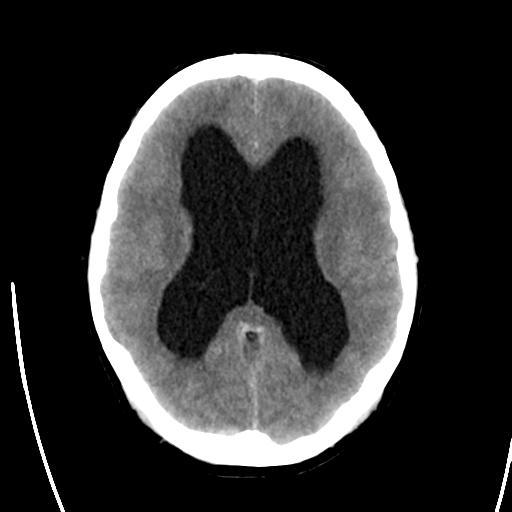
Hydrocephalus occurs when cerebrospinal fluid (CSF), which normally cushions and protects the brain, accumulates in the brain’s ventricles.
This buildup can:
- Increase pressure on the brain
- Stretch and enlarge the ventricles
- Affect brain function over time
Types of Hydrocephalus
- Communicating hydrocephalus: Impaired absorption of CSF
- Obstructive (non-communicating): Blockage of CSF flow
- Normal Pressure Hydrocephalus (NPH): Typically seen in older adults with specific symptoms
- Congenital hydrocephalus: Present at birth
IS THIS LIFE-THREATENING?
It depends on the cause and severity.
- Some forms are chronic and slowly progressive
- Others can be acute and require urgent treatment
👉 Early recognition and appropriate treatment can significantly improve outcomes
SYMPTOMS
Symptoms vary depending on age and type.
Common Symptoms (Adults)
- Headache
- Difficulty walking (gait imbalance)
- Memory problems or cognitive decline
- Urinary urgency or incontinence
Classic Triad (Normal Pressure Hydrocephalus)
- Gait disturbance
- Cognitive decline
- Urinary incontinence
More Concerning Symptoms
- Drowsiness or decreased alertness
- Nausea and vomiting
- Vision changes
🚨 When to Seek Urgent Care
- Rapid decline in mental status
- Severe headache with vomiting
- New neurologic deficits
CAUSES & RISK FACTORS
Hydrocephalus can result from:
- Prior bleeding in the brain (e.g., subarachnoid hemorrhage)
- Brain tumors
- Infections (e.g., meningitis)
- Congenital abnormalities
- Aging-related changes (NPH)
HOW IS THIS DIAGNOSED?
A. Clinical Evaluation
- Review of symptoms and progression
- Neurologic examination
- Assessment of gait and cognition
B. Imaging
C. Additional Testing (especially for NPH)
- Lumbar puncture (CSF drainage trial)
- Extended CSF drainage (in select cases)
- Formal gait and cognitive assessment
TREATMENT OPTIONS
Treatment depends on cause, symptoms, and severity.
A. Non-Surgical Treatment
- Observation in mild or unclear cases
- Monitoring with repeat imaging
- Medical management of associated symptoms
B. When Is Surgery Considered?
Surgery is considered when:
- Symptoms are progressive
- Imaging supports hydrocephalus
- There is a clear correlation between symptoms and CSF buildup
- Positive response to CSF drainage (for NPH)
C. Surgical Options
Ventriculoperitoneal (VP) Shunt
- Most common treatment
- Diverts excess fluid from the brain to the abdomen
- Adjustable valves allow control of drainage
Endoscopic Third Ventriculostomy (ETV)
- Creates a new pathway for CSF flow
- Used in select cases of obstructive hydrocephalus
OUR APPROACH
We focus on careful patient selection and individualized treatment.
- Not all enlarged ventricles require treatment
- In NPH, confirming that symptoms will improve is critical before surgery
- We use a stepwise approach, including diagnostic CSF drainage when appropriate
- Surgical decisions are made with a focus on meaningful functional improvement
👉 The goal is to treat patients who will truly benefit—while avoiding unnecessary procedures
WHAT TO EXPECT
Before Treatment
- Imaging and clinical evaluation
- Additional testing (such as lumbar puncture) if needed
- Discussion of expected outcomes
Day of Surgery (if applicable)
- Typically performed under general anesthesia
- Duration varies depending on procedure
Recovery
- Hospital stay usually 1–3 days
- Gradual improvement over weeks
- Follow-up for shunt adjustment (if applicable)
OUTCOMES & RISKS
Outcomes
- Many patients experience improvement in walking and function
- Cognitive symptoms may improve more gradually
- Early treatment often leads to better results
Risks
- Infection
- Shunt malfunction or blockage
- Over- or under-drainage of CSF
- Need for future revisions
FREQUENTLY ASKED QUESTIONS
Is hydrocephalus the same as dementia?
No, but NPH can mimic dementia and is potentially treatable.
How do I know if I have NPH?
Evaluation includes symptoms, imaging, and response to CSF drainage.
Do shunts last forever?
Shunts can last many years but may require adjustment or revision over time.
How quickly will symptoms improve?
Gait often improves first, sometimes within days to weeks.
FOR REFERRING PHYSICIANS (Optional Expandable Section)
- Refer patients with:
- Enlarged ventricles on imaging
- Gait disturbance with cognitive decline
- Suspected NPH
- MRI brain preferred prior to referral
- Consider referral for:
- Diagnostic lumbar puncture trial
- Unclear cases of cognitive decline with gait changes
- Urgent referral for:
- Acute hydrocephalus with neurologic decline