





Head trauma occurs when a blow or jolt to the head affects brain function. Injuries can range from mild concussions to more serious conditions requiring urgent treatment.
Quick Facts:
- Very common—many cases are mild
- Symptoms can appear immediately or develop over time
- Most patients recover without surgery
- Early evaluation is important in certain cases
👉 Request an Appointment
👉 Refer a Patient
WHAT IS HEAD TRAUMA?
Head trauma, also called traumatic brain injury (TBI), occurs when an external force disrupts normal brain function.
This can happen from:
- Falls
- Motor vehicle accidents
- Sports injuries
- Direct blows to the head
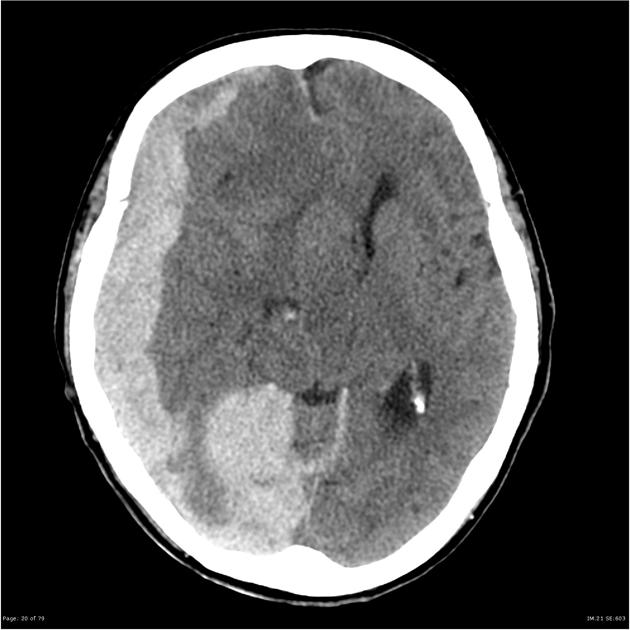
Types of Head Trauma
- Concussion (mild TBI): Temporary disruption of brain function
- Contusion: Bruising of brain tissue
- Intracranial hemorrhage: Bleeding in or around the brain
- Skull fracture: Break in the skull
IS THIS LIFE-THREATENING?
It depends on the severity of the injury.
- Mild injuries (concussions): Usually not life-threatening
- Moderate to severe injuries: Can be serious and require urgent care
👉 The most important step is recognizing when symptoms may indicate a more serious problem
SYMPTOMS
Symptoms vary depending on severity.
Common Symptoms (Mild Injury)
- Headache
- Dizziness
- Nausea
- Confusion or “foggy” feeling
- Sensitivity to light or noise
More Concerning Symptoms
- Worsening headache
- Repeated vomiting
- Increasing confusion
- Weakness or numbness
- Difficulty speaking
🚨 When to Seek Urgent Care
- Loss of consciousness
- Severe or worsening headache
- Repeated vomiting
- Seizure
- Weakness, numbness, or speech difficulty
- Significant drowsiness or inability to wake
CAUSES & RISK FACTORS
Head trauma can affect anyone but is more common in:
- Older adults (falls)
- Athletes (contact sports)
- Individuals involved in motor vehicle accidents
- Patients on blood thinners (higher bleeding risk)
HOW IS THIS DIAGNOSED?
A. Clinical Evaluation
- History of the injury
- Neurologic examination
- Assessment of mental status
B. Imaging
- CT scan (most common initial test)
- MRI (used in select cases)
C. Additional Evaluation
- Observation over time
- Repeat imaging if symptoms worsen
TREATMENT OPTIONS
Treatment depends on severity.
A. Non-Surgical Treatment
Most head injuries are treated without surgery.
- Observation and monitoring
- Rest and gradual return to activity
- Symptom management (pain, nausea)
- Avoidance of repeat injury
B. When Is Surgery Considered?
Surgery may be needed if:
- There is significant bleeding in the brain
- Pressure on the brain is increasing
- A skull fracture is causing complications
- Neurologic symptoms are worsening
C. Surgical Options
Evacuation of Hemorrhage
- Removal of blood causing pressure on the brain
Craniotomy or Craniectomy
- Opening the skull to relieve pressure or treat injury
Monitoring Devices (in severe cases)
- Measurement of intracranial pressure
OUR APPROACH
We focus on timely evaluation and appropriate intervention.
- Most patients can be safely managed without surgery
- Careful monitoring is essential in the early period after injury
- Surgery is reserved for cases where it clearly improves outcomes
- Coordination with emergency and trauma teams is critical
👉 The goal is to protect brain function while avoiding unnecessary intervention
WHAT TO EXPECT
After Injury
- Initial evaluation and imaging (if needed)
- Observation for symptom progression
If Hospitalized
- Close neurologic monitoring
- Repeat imaging when necessary
Recovery
- Mild injuries: recovery over days to weeks
- More severe injuries: longer recovery and possible rehabilitation
OUTCOMES & RISKS
Outcomes
- Most mild injuries resolve completely
- Moderate to severe injuries may have lasting effects
- Early treatment improves outcomes
Risks
- Bleeding in the brain
- Swelling (increased intracranial pressure)
- Persistent symptoms (post-concussion syndrome)
- Neurologic deficits
FREQUENTLY ASKED QUESTIONS
Do I need a CT scan after a head injury?
Not always. Imaging is based on symptoms and risk factors.
How long do concussion symptoms last?
Most improve within days to weeks, but some last longer.
When can I return to normal activity?
Gradual return is recommended once symptoms improve.
Can symptoms get worse after the injury?
Yes—this is why monitoring in the first 24–48 hours is important.
FOR REFERRING PHYSICIANS (Optional Expandable Section)
- Refer patients with:
- Persistent symptoms after concussion
- Intracranial hemorrhage on imaging
- Worsening neurologic symptoms
- Unclear diagnosis
- CT head recommended for acute evaluation
- Urgent referral for:
- Any intracranial bleed
- Neurologic deficits
- Declining mental status