





An intracranial infection is an infection within the brain or surrounding spaces. These conditions are serious and often require urgent medical and sometimes surgical treatment.
Quick Facts:
- Can involve the brain, its coverings, or surrounding spaces
- Often requires hospitalization
- Early treatment is critical
- Many patients improve with prompt care
👉 Request an Appointment
👉 Refer a Patient
WHAT IS AN INTRACRANIAL INFECTION?
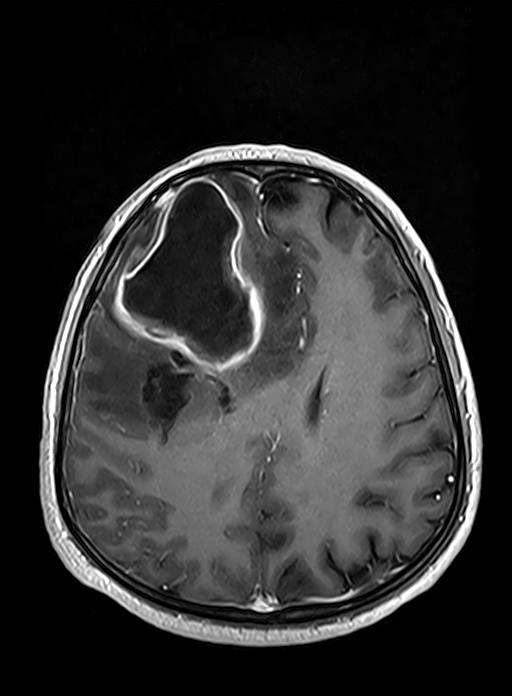
Intracranial infections occur when bacteria, viruses, or other organisms infect structures within the skull.
These infections may involve:
- The brain tissue itself
- The protective layers around the brain (meninges)
- Spaces where pus or fluid can accumulate
Common Types of Intracranial Infection
- Brain abscess: A collection of pus within the brain
- Subdural empyema: Infection between the brain and its outer covering
- Epidural abscess: Infection between the skull and the brain covering
- Meningitis: Infection of the protective membranes around the brain
IS THIS LIFE-THREATENING?
Yes—intracranial infections can be serious and potentially life-threatening.
- They can progress quickly
- They may cause swelling or pressure on the brain
- Prompt diagnosis and treatment are critical
👉 Early treatment significantly improves outcomes
SYMPTOMS
Symptoms vary depending on the type and location of infection.
Common Symptoms
- Headache
- Fever
- Nausea or vomiting
- Confusion or altered mental status
More Concerning Symptoms
- Weakness on one side of the body
- Difficulty speaking
- Seizures
- Vision changes
🚨 When to Seek Urgent Care
- Fever with severe headache
- Confusion or decreased alertness
- Seizure
- New neurologic deficits
CAUSES & RISK FACTORS
Intracranial infections can develop from:
- Spread from nearby infections (sinus, ear, dental)
- Bloodstream infections
- Prior surgery or trauma
- Weakened immune system
HOW IS THIS DIAGNOSED?
A. Clinical Evaluation
- Review of symptoms and timing
- Neurologic examination
- Assessment for infection source
B. Imaging
- MRI of the brain (most sensitive test)
- CT scan (often used initially)
C. Additional Testing
- Blood tests
- Lumbar puncture (in select cases)
- Cultures to identify the organism
TREATMENT OPTIONS
Treatment is often urgent and may involve multiple specialists.
A. Non-Surgical Treatment
- Intravenous antibiotics or antivirals
- Close monitoring in the hospital
- Management of swelling and symptoms
B. When Is Surgery Considered?
Surgery may be needed when:
- There is a localized collection of infection (abscess or empyema)
- There is pressure on the brain
- The infection is not responding to medication
- Diagnosis is uncertain
C. Surgical Options
Drainage of Abscess or Empyema
- Removal of infected fluid or pus
- Reduces pressure and helps control infection
Craniotomy (when needed)
- Allows more complete removal of infection
- Used in more complex cases
OUR APPROACH
We focus on rapid diagnosis and coordinated care.
- Early recognition and treatment are critical
- We work closely with infectious disease specialists
- Surgery is used when necessary to control infection and protect the brain
- Treatment plans are tailored to the type and severity of infection
👉 The goal is to eliminate infection while preserving neurologic function
WHAT TO EXPECT
Before Treatment
- Imaging and laboratory testing
- Identification of infection source
During Treatment
- Hospitalization is often required
- IV antibiotics for an extended period
- Possible surgical intervention
Recovery
- Gradual improvement over weeks
- Follow-up imaging and monitoring
- Ongoing care with specialists
OUTCOMES & RISKS
Outcomes
- Many patients recover with prompt treatment
- Early diagnosis improves outcomes
- Some patients may require prolonged therapy
Risks
- Neurologic deficits
- Recurrence of infection
- Seizures
- Complications related to surgery
FREQUENTLY ASKED QUESTIONS
Can intracranial infections be cured?
Yes, many can be successfully treated with antibiotics and/or surgery.
Will I need surgery?
Not always. Some infections respond well to medication alone.
How long is treatment?
Treatment often requires several weeks of antibiotics.
Can this come back?
Recurrence is possible but less likely with appropriate treatment.
FOR REFERRING PHYSICIANS (Optional Expandable Section)
- Refer patients with:
- Suspected brain abscess or empyema
- Neurologic symptoms with infection
- Imaging concerning for intracranial infection
- MRI brain preferred when possible
- Urgent referral for:
- Neurologic deficits
- Large abscess or empyema
- Declining mental status