





A brain tumor is an abnormal growth of cells in the brain. Some tumors are benign (non-cancerous), while others are malignant (cancerous). Treatment depends on the tumor type, size, and location.
Quick Facts:
- Can be benign or malignant
- Symptoms often develop gradually
- Many tumors are treatable
- Not all brain tumors require surgery
👉 Request an Appointment
👉 Refer a Patient
WHAT IS A BRAIN TUMOR?
A brain tumor occurs when cells in the brain grow in an uncontrolled way. Tumors may arise from the brain itself (primary tumors) or spread from other parts of the body (metastatic tumors).
Some tumors grow slowly and may not cause symptoms for years. Others grow more quickly and require prompt treatment.
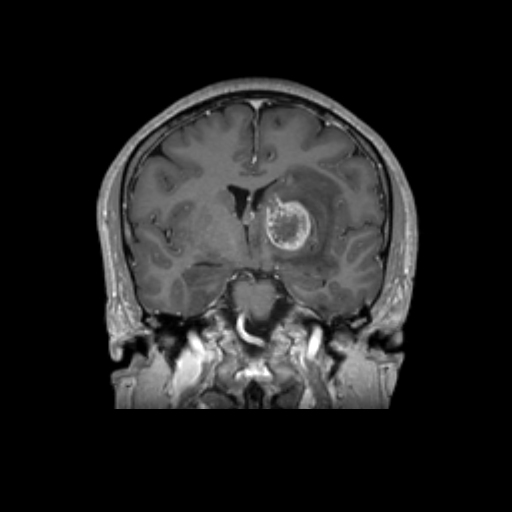
Types of Brain Tumors
- Benign tumors (e.g., meningioma): Typically slow-growing and often curable
- Malignant tumors (e.g., glioblastoma): Faster growing and may require multiple treatments
- Metastatic tumors: Spread to the brain from cancers elsewhere in the body
IS THIS LIFE-THREATENING?
This depends on the type of tumor.
- Some tumors are not life-threatening and can be monitored
- Others require urgent treatment, especially if they cause pressure on the brain
👉 The most important step is accurate diagnosis and individualized planning
SYMPTOMS
Symptoms depend on the tumor’s size and location.
Common Symptoms
- Headaches (especially worse in the morning)
- Nausea or vomiting
- Weakness on one side of the body
- Difficulty speaking or understanding speech
- Vision changes
- Balance problems
Less Common Symptoms
- Seizures
- Personality or behavior changes
- Memory problems
🚨 When to Seek Urgent Care
- New seizure
- Sudden weakness or speech difficulty
- Rapid worsening of symptoms
CAUSES & RISK FACTORS
In most cases, the exact cause is unknown.
Possible contributing factors:
- Genetic conditions (rare)
- Prior radiation exposure
- Cancer elsewhere in the body (for metastatic tumors)
Most brain tumors occur without a clear cause.
HOW IS THIS DIAGNOSED?
A. Clinical Evaluation
- Detailed history and neurologic exam
- Focus on symptoms and progression
B. Imaging
- MRI (most important test)
- CT scan (often used initially or in emergencies)
C. Additional Testing
- Advanced MRI techniques (when needed)
- Biopsy or surgical removal for diagnosis
- Evaluation for cancer elsewhere (if metastasis suspected)
TREATMENT OPTIONS
Treatment depends on:
- Tumor type
- Size and location
- Symptoms
- Overall health
A. Non-Surgical Treatment
Some tumors do not require immediate surgery.
Options may include:
- Observation with periodic MRI scans
- Steroids to reduce swelling
- Radiation therapy
- Chemotherapy or targeted therapy
B. When Is Surgery Considered?
Surgery is recommended when:
- The tumor is causing symptoms
- The diagnosis is unclear
- The tumor is growing
- Removing the tumor is expected to improve outcomes
C. Surgical Options
Craniotomy for Tumor Removal
- Opening the skull to safely remove the tumor
- Goal is maximal safe removal while preserving function
Minimally Invasive Approaches (when appropriate)
- Smaller openings depending on tumor location
Awake Craniotomy (select cases)
- Used when tumors are near speech or motor areas
- Allows real-time monitoring of brain function
OUR APPROACH
We focus on individualized care based on tumor type, location, and patient goals.
- Not all tumors require surgery
- When surgery is needed, the goal is maximal safe resection
- We prioritize preserving neurologic function
- We work closely with oncology and radiation specialists when needed
👉 Every treatment plan is tailored to the patient—not just the imaging
WHAT TO EXPECT
Before Treatment
- MRI and full evaluation
- Discussion of options and risks
- Coordination with other specialists if needed
Day of Surgery (if applicable)
- Procedure performed under general anesthesia (or awake in select cases)
- Length varies depending on tumor complexity
Recovery
- Hospital stay typically a few days
- Gradual return to normal activity over weeks
- Follow-up imaging and ongoing care
OUTCOMES & RISKS
Outcomes
- Many benign tumors are curable with surgery
- Malignant tumors often require additional therapy
- Early treatment can improve outcomes
Risks
- Neurologic deficits (depending on location)
- Bleeding or infection
- Seizures
- Need for additional treatment
FREQUENTLY ASKED QUESTIONS
Will I need surgery?
Not always. Some tumors can be safely monitored.
Is this cancer?
Some brain tumors are cancerous, but many are not.
How long is recovery?
Recovery depends on the tumor and treatment but often ranges from weeks to a few months.
Will the tumor come back?
Some tumors can recur, which is why follow-up imaging is important.
FOR REFERRING PHYSICIANS (Optional Expandable Section)
- Refer patients with:
- New brain mass on imaging
- Progressive neurologic symptoms
- Seizures with abnormal imaging
- MRI brain with and without contrast is preferred prior to referral
- Urgent referral for:
- Mass effect with neurologic deficit
- Suspected high-grade tumor