





Chiari Malformation
A Chiari malformation occurs when part of the brain extends downward into the spinal canal. This can affect the normal flow of cerebrospinal fluid (CSF) and lead to headaches, neck pain, or neurologic symptoms.
Quick Facts:
- Most commonly diagnosed as Chiari I in adults
- Symptoms often develop gradually
- Not all patients require surgery
- Treatment is highly individualized
👉 Request an Appointment
👉 Refer a Patient
WHAT IS A CHIARI MALFORMATION?
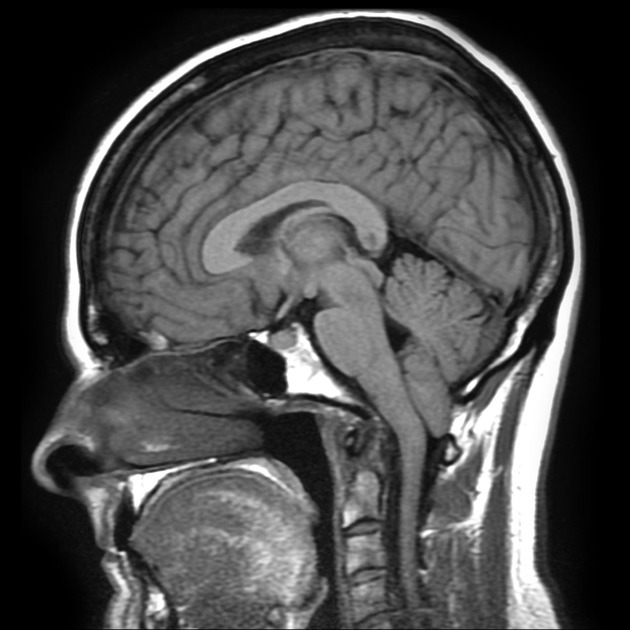
A Chiari malformation occurs when the lower part of the brain (called the cerebellar tonsils) extends below the skull into the upper spinal canal.
This can crowd the space at the base of the brain and interfere with the normal circulation of cerebrospinal fluid (CSF), which cushions and protects the brain and spinal cord.
Types of Chiari Malformation
- Chiari I: Most common form, often diagnosed in adolescents or adults
- Chiari II: Usually associated with spina bifida and diagnosed in childhood
- Chiari III/IV: Rare and more severe forms
IS THIS LIFE-THREATENING?
Most Chiari I malformations are not life-threatening.
However:
- Symptoms can significantly affect quality of life
- In some cases, neurologic symptoms can worsen over time
- Associated conditions like a syrinx (fluid in the spinal cord) may require treatment
👉 The key is determining whether symptoms are truly related to the Chiari malformation
SYMPTOMS
Symptoms vary widely and often depend on CSF flow disruption.
Common Symptoms
- Headaches (often worse with coughing, sneezing, or straining)
- Neck pain
- Dizziness or balance problems
- Numbness or tingling in the arms or hands
Less Common Symptoms
- Difficulty swallowing
- Sleep apnea
- Weakness
- Coordination problems
🚨 When to Seek Urgent Care
- Progressive weakness
- Difficulty breathing or swallowing
- Rapid worsening of neurologic symptoms
CAUSES & RISK FACTORS
Most Chiari I malformations are present from birth.
Possible contributing factors include:
- A smaller-than-normal space at the base of the skull (posterior fossa)
- Abnormal CSF flow dynamics
- Rarely, acquired causes such as trauma or spinal fluid leaks
HOW IS THIS DIAGNOSED?
A. Clinical Evaluation
- Detailed history of symptoms
- Neurologic examination
B. Imaging
- MRI of the brain and cervical spine (key test)
- Evaluation for tonsillar descent and CSF flow obstruction
- Assessment for a syrinx in the spinal cord
C. Additional Testing
- Cine MRI to evaluate CSF flow (in select cases)
- Sleep study if sleep apnea is suspected
TREATMENT OPTIONS
Treatment depends on symptoms—not just imaging findings.
A. Non-Surgical Treatment
Many patients do not require surgery.
Options may include:
- Observation with periodic MRI scans
- Pain management
- Activity modification
B. When Is Surgery Considered?
Surgery is considered when:
- Symptoms are significant and clearly related to Chiari
- Symptoms are progressive
- A syrinx is present
- There is evidence of impaired CSF flow
C. Surgical Options
Posterior Fossa Decompression
- Removal of a small portion of bone at the base of the skull
- Creates more space for the brain
- Improves CSF flow
Duraplasty (when appropriate)
- Expansion of the covering of the brain (dura)
- Provides additional space and improves CSF dynamics
OUR APPROACH
We focus on treating patients—not just MRI findings.
- Many Chiari malformations are incidental and do not require surgery
- Careful evaluation is critical to determine if symptoms are truly related
- Surgery is recommended only when there is clear benefit
- The goal is to restore CSF flow while preserving neurologic function
👉 Every treatment plan is individualized based on symptoms, imaging, and patient goals
WHAT TO EXPECT
Before Treatment
- MRI review and full clinical evaluation
- Discussion of whether symptoms are related to Chiari
- Careful decision-making regarding treatment
Day of Surgery (if applicable)
- Performed under general anesthesia
- Typically takes several hours
Recovery
- Hospital stay of a few days
- Gradual return to activity over several weeks
- Symptom improvement may occur over time
OUTCOMES & RISKS
Outcomes
- Many patients experience improvement in headaches and neurologic symptoms
- Syrinx (if present) may decrease over time
- Some symptoms may take time to improve
Risks
- Infection
- CSF leak
- Persistent or incomplete symptom relief
- Need for additional treatment
FREQUENTLY ASKED QUESTIONS
Do all Chiari malformations need surgery?
No. Many patients can be safely monitored without intervention.
What is a syrinx?
A syrinx is a fluid-filled cavity in the spinal cord that can develop due to disrupted CSF flow.
Will surgery cure my symptoms?
Many patients improve, but outcomes vary depending on symptom type and duration.
Can Chiari get worse over time?
In some patients, symptoms may progress, which is why follow-up is important.
FOR REFERRING PHYSICIANS (Optional Expandable Section)
- Refer patients with:
- Symptomatic Chiari malformation
- Headaches worsened by Valsalva
- Neurologic symptoms with Chiari on MRI
- Syrinx identified on imaging
- MRI brain and cervical spine recommended prior to referral
- Urgent referral for:
- Progressive neurologic deficits
- Large syrinx
- Brainstem-related symptoms