





A stroke occurs when blood flow to the brain is disrupted. Some strokes are caused by a blockage, while others are caused by bleeding in the brain (intracranial hemorrhage). Both require urgent evaluation and treatment.
Quick Facts:
- Stroke is a medical emergency
- Symptoms often begin suddenly
- Early treatment improves outcomes
- Neurosurgery is sometimes needed for bleeding or swelling
👉 Request an Appointment
👉 Refer a Patient
WHAT IS A STROKE?
A stroke occurs when part of the brain is deprived of normal blood flow.
There are two main types:
Ischemic Stroke (Most Common)
- Caused by a blockage in a blood vessel
- Treated with medications or procedures to restore blood flow
Hemorrhagic Stroke (Bleeding in the Brain)
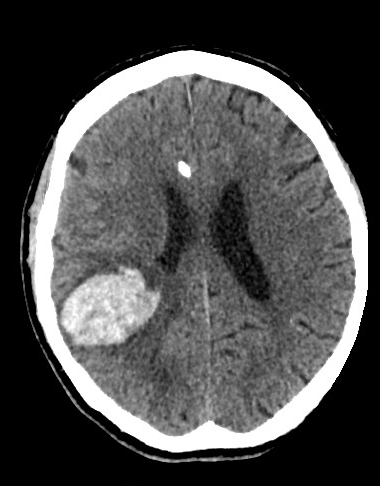
- Caused by rupture of a blood vessel
- Includes:
- Intracerebral hemorrhage (ICH)
- Subarachnoid hemorrhage (SAH)
👉 Neurosurgical care is most often involved in hemorrhagic stroke and complications of stroke
IS THIS LIFE-THREATENING?
Yes—stroke can be life-threatening and time-sensitive.
- Brain injury can occur within minutes
- Bleeding can increase pressure in the brain
- Rapid treatment is critical
👉 If stroke is suspected, call emergency services immediately
SYMPTOMS
Symptoms typically begin suddenly.
Common Symptoms
- Weakness or numbness on one side of the body
- Difficulty speaking or understanding speech
- Vision loss or double vision
- Severe headache (especially with bleeding)
- Loss of balance or coordination
🚨 When to Seek Emergency Care
- Sudden weakness, speech difficulty, or facial droop
- Severe headache with nausea or vomiting
- Sudden confusion or decreased alertness
👉 Time matters—early treatment improves outcomes
CAUSES & RISK FACTORS
Ischemic Stroke
- Blood clots
- Atherosclerosis
- Atrial fibrillation
Hemorrhagic Stroke
- High blood pressure
- Ruptured aneurysm
- Vascular malformations
- Blood thinners
HOW IS THIS DIAGNOSED?
A. Emergency Evaluation
- Rapid neurologic assessment
- Determination of stroke type
B. Imaging
- CT scan (first-line test in emergency)
- MRI (in select cases)
- CT or MR angiography (to evaluate blood vessels)
C. Additional Testing
- Blood tests
- Cardiac evaluation
- Further vascular imaging
TREATMENT OPTIONS
Treatment depends on stroke type and severity.
A. Non-Surgical Treatment
Ischemic Stroke
- Clot-busting medication (tPA) in select patients
- Endovascular thrombectomy (performed by specialized teams)
Hemorrhagic Stroke
- Blood pressure control
- Reversal of blood thinners
- Intensive monitoring
B. When Is Neurosurgery Considered?
Neurosurgical treatment may be needed when:
- There is significant bleeding in the brain
- Pressure in the brain is increasing
- There is hydrocephalus (fluid buildup)
- A structural cause (aneurysm or malformation) is identified
C. Neurosurgical Options
Hematoma Evacuation
- Removal of blood to relieve pressure
Decompressive Craniectomy
- Removal of part of the skull to allow the brain to swell safely
External Ventricular Drain (EVD)
- Placement of a drain to relieve pressure and treat hydrocephalus
Treatment of Underlying Cause
- Aneurysm clipping
- Management of vascular malformations
OUR APPROACH
We focus on rapid, coordinated, and evidence-based care.
- Stroke care is time-sensitive and team-based
- We work closely with neurology, critical care, and endovascular specialists
- Surgery is used when it can improve outcomes and reduce complications
- Care is tailored to each patient’s condition and goals
👉 The goal is to stabilize the patient, protect brain function, and optimize recovery
WHAT TO EXPECT
Initial Phase
- Emergency evaluation and imaging
- Admission to a hospital or intensive care unit
During Treatment
- Close neurologic monitoring
- Medical or surgical intervention depending on the condition
Recovery
- Rehabilitation may be required
- Recovery varies depending on severity
- Follow-up care is essential
OUTCOMES & RISKS
Outcomes
- Vary widely depending on stroke type and severity
- Early treatment improves outcomes
- Some patients recover fully, while others require rehabilitation
Risks
- Permanent neurologic deficits
- Recurrent stroke
- Complications from bleeding or swelling
- Surgical risks (if procedures are needed)
FREQUENTLY ASKED QUESTIONS
What is the difference between stroke and hemorrhage?
Stroke includes both blockage (ischemic) and bleeding (hemorrhagic) in the brain.
Will I need surgery?
Most strokes do not require surgery, but bleeding or swelling may require neurosurgical treatment.
How quickly should treatment happen?
Immediately—stroke is a medical emergency.
Can patients recover from stroke?
Many patients improve, especially with early treatment and rehabilitation.
FOR REFERRING PHYSICIANS (Optional Expandable Section)
- Refer patients with:
- Intracranial hemorrhage
- Post-stroke complications (hydrocephalus, mass effect)
- Suspected aneurysm or vascular malformation
- Immediate ER referral for acute stroke symptoms
- Neurosurgical consultation for:
- Large hemorrhage
- Neurologic decline
- Imaging showing mass effect or hydrocephalus