





Vascular malformations are abnormal connections or structures of blood vessels in the brain. Some are discovered incidentally, while others can cause symptoms such as headaches, seizures, or bleeding.
Quick Facts:
- Often present from birth
- May remain stable for years
- Some carry a risk of bleeding
- Treatment is highly individualized
👉 Request an Appointment
👉 Refer a Patient
WHAT ARE VASCULAR MALFORMATIONS?
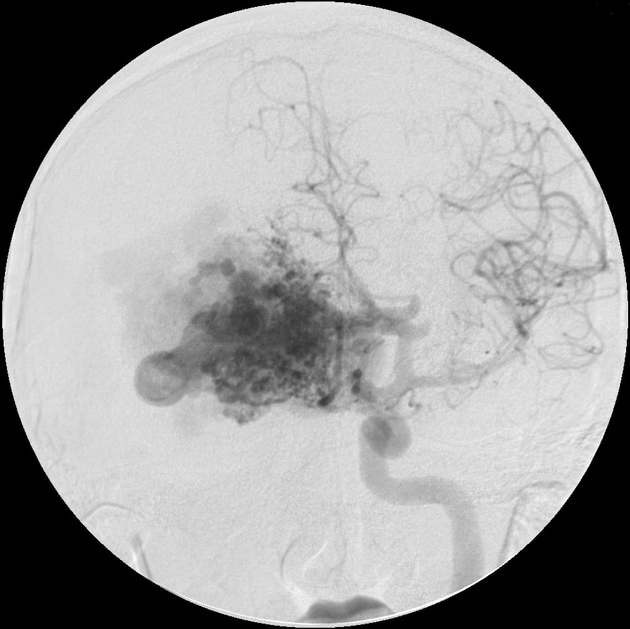
Vascular malformations are abnormal formations of arteries, veins, or capillaries in the brain. These abnormalities can alter normal blood flow and, in some cases, increase the risk of bleeding.
Common Types of Vascular Malformations
- Arteriovenous Malformation (AVM): Direct connection between arteries and veins without normal capillaries
- Cavernous Malformation (Cavernoma): Cluster of small, fragile blood vessels
- Developmental Venous Anomaly (DVA): Common and usually benign variation of venous drainage
- Capillary Telangiectasia: Small, often incidental vascular abnormality
IS THIS LIFE-THREATENING?
It depends on the type and behavior of the malformation.
- Some are low risk and require no treatment
- Others, particularly AVMs, may carry a risk of bleeding (hemorrhage)
👉 Careful evaluation is essential to determine risk and guide treatment
SYMPTOMS
Many vascular malformations are found incidentally.
Common Symptoms
- Headaches
- Seizures
- Neurologic symptoms depending on location
Symptoms of Bleeding
- Sudden severe headache
- Weakness or numbness
- Difficulty speaking
- Loss of consciousness
🚨 When to Seek Urgent Care
- Sudden severe headache
- New neurologic deficit
- Seizure
- Decreased level of consciousness
CAUSES & RISK FACTORS
Most vascular malformations are congenital, meaning they are present from birth.
- They are not typically caused by lifestyle factors
- Some may be associated with genetic conditions (rare)
HOW IS THIS DIAGNOSED?
A. Clinical Evaluation
- Review of symptoms
- Neurologic examination
B. Imaging
- MRI of the brain (key test)
- CT scan (especially if bleeding is suspected)
C. Additional Testing
- Cerebral angiography (gold standard for AVMs)
- Advanced imaging to assess blood flow
TREATMENT OPTIONS
Treatment depends on:
- Type of malformation
- Size and location
- Symptoms
- Risk of bleeding
A. Non-Surgical Management
Many vascular malformations can be safely observed.
- Regular imaging follow-up
- Seizure management (if needed)
- Symptom monitoring
B. When Is Treatment Considered?
Treatment is considered when:
- There has been a prior bleed
- Symptoms such as seizures are difficult to control
- The risk of future hemorrhage is significant
- The malformation is accessible and treatment risk is acceptable
C. Treatment Options
Microsurgical Resection
- Removal of the malformation through surgery
- Often used for accessible AVMs or cavernous malformations
Endovascular Embolization
- Minimally invasive procedure to block abnormal blood flow
- Often used as part of a combined treatment approach
Stereotactic Radiosurgery (Cyberknife)
- Focused radiation to gradually close off abnormal vessels
- Used in select cases
OUR APPROACH
We focus on individualized risk assessment and thoughtful treatment planning.
- Not all vascular malformations require treatment
- Decisions are based on balancing natural history risk vs treatment risk
- We work closely with endovascular and radiation specialists when needed
- The goal is long-term safety while minimizing intervention risk
👉 Every case is unique—treatment is tailored to the patient, not just the imaging
WHAT TO EXPECT
Before Treatment
- Detailed imaging and evaluation
- Discussion of risks and treatment options
During Treatment (if applicable)
- Procedure type depends on treatment plan
- May involve surgery, embolization, or radiosurgery
Recovery
- Varies depending on treatment
- Follow-up imaging is important
- Long-term monitoring may be required
OUTCOMES & RISKS
Outcomes
- Many patients do well with observation or treatment
- Successful treatment can reduce or eliminate bleeding risk
- Seizures may improve with treatment
Risks
- Bleeding (natural history or procedural)
- Neurologic deficits depending on location
- Need for additional treatments
- Incomplete resolution in some cases
FREQUENTLY ASKED QUESTIONS
Do all vascular malformations need treatment?
No. Many can be safely monitored.
What is the risk of bleeding?
This varies by type—AVMs generally carry higher risk than other malformations.
Is surgery always required?
No. Many cases are treated without surgery or with minimally invasive options.
How are these monitored?
Periodic MRI and, in some cases, angiography.
FOR REFERRING PHYSICIANS (Optional Expandable Section)
- Refer patients with:
- AVM, cavernoma, or other vascular malformation on imaging
- Seizures with suspected vascular lesion
- History of intracranial hemorrhage
- MRI brain preferred prior to referral
- Consider referral for:
- Risk assessment and management planning
- Multidisciplinary evaluation
- Urgent referral for:
- Hemorrhage
- Neurologic deficits