





Adjacent Segment Disease (ASD) refers to degeneration that develops at the levels next to a prior spinal fusion. This can lead to new back or neck pain, and in some cases, nerve-related symptoms.
Quick Facts:
- Can occur months to years after a fusion
- Not all adjacent degeneration causes symptoms
- Many cases can be treated without surgery
- Treatment depends on symptoms and severity
👉 Request an Appointment
👉 Refer a Patient
WHAT IS ADJACENT SEGMENT DISEASE?
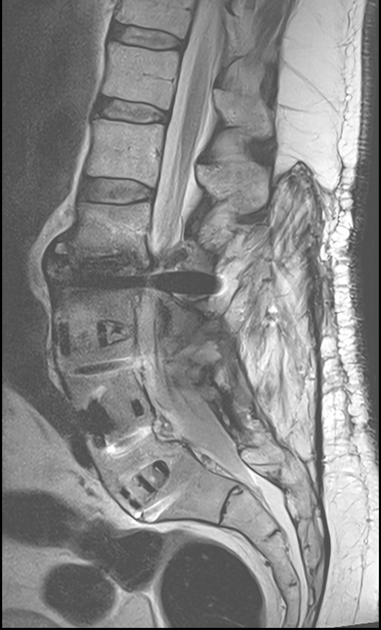
When a spinal segment is fused, it no longer moves. As a result, the levels above and below may experience increased stress over time.
Adjacent Segment Disease occurs when:
- Degeneration develops at these neighboring levels
- Discs and joints begin to wear down
- This leads to symptoms such as pain or nerve compression
👉 It is important to distinguish between:
- Adjacent segment degeneration (seen on imaging, often without symptoms)
- Adjacent segment disease (causing symptoms)
IS THIS SERIOUS?
ASD varies in severity.
Common Cases
- Mild degeneration
- Occasional pain
- Managed without surgery
More Significant Cases
- Persistent pain
- Nerve compression
- Functional limitations
👉 The key question is whether the changes are actually causing symptoms
SYMPTOMS
Symptoms depend on the level and severity of degeneration.
Common Symptoms
- New back or neck pain
- Pain near the area of prior surgery
- Stiffness
When Nerves Are Affected
- Pain radiating into the arms or legs
- Numbness or tingling
- Weakness
Typical Pattern
- Symptoms develop gradually over time
- Often occur at levels next to a prior fusion
🚨 When to Seek Prompt Evaluation
- Progressive weakness
- Worsening nerve pain
- Difficulty walking
- Significant functional decline
👉 These may indicate nerve compression
CAUSES & RISK FACTORS
ASD develops due to a combination of factors.
Common Causes
- Increased stress at adjacent levels after fusion
- Natural degeneration over time
Risk Factors
- Prior spinal fusion
- Aging
- Multilevel fusion
- Pre-existing degeneration
👉 Not all patients who undergo fusion develop ASD
HOW IS THIS DIAGNOSED?
A. Clinical Evaluation
Diagnosis begins with:
- Review of prior surgery
- Symptom history
- Physical examination
- Assessment of nerve function
B. Imaging
Imaging is essential to confirm the diagnosis.
- X-rays to evaluate alignment and adjacent levels
- MRI to assess discs and nerve compression
- CT scan in select cases
👉 The key is correlating imaging findings with symptoms
TREATMENT OPTIONS
A. Non-Surgical Treatment
Many patients can be treated without surgery.
Common treatments include:
- Physical therapy
- Activity modification
- Medications
- Injections
👉 Conservative care is often effective
B. When Is Surgery Considered?
Surgery may be considered when:
- Symptoms persist despite conservative treatment
- There is significant nerve compression
- Pain significantly affects quality of life
- Imaging clearly correlates with symptoms
C. Surgical Options
When surgery is needed, options may include:
- Decompression of affected nerves
- Extension of the prior fusion
- Motion-preserving options in select cases
👉 The goal is to relieve symptoms while minimizing additional stress on the spine
OUR APPROACH
We focus on careful evaluation of adjacent segment problems.
- Not all adjacent degeneration requires treatment
- Many patients improve without additional surgery
- We correlate symptoms, imaging, and prior surgical history
- Surgery is recommended only when there is clear benefit
👉 The goal is to treat meaningful disease—not incidental findings
WHAT TO EXPECT
Before Treatment
- Review of prior surgery and imaging
- Evaluation of new symptoms
During Non-Surgical Care
- Focus on symptom control and function
- Monitoring for progression
If Surgery Is Needed
- Careful planning based on prior fusion
- Recovery depends on the extent of surgery
OUTCOMES & RISKS
Outcomes
- Many patients improve with conservative care
- Surgical outcomes are generally good when:
- Symptoms match imaging
- Nerve compression is addressed
Risks of Untreated Disease
- Persistent pain
- Progressive nerve compression
- Reduced function
FREQUENTLY ASKED QUESTIONS
Does fusion cause ASD?
Fusion can increase stress on adjacent levels, but not all patients develop symptoms.
Will this always get worse?
Not necessarily. Many cases remain stable.
Do I need another surgery?
Most patients do not, but some may benefit depending on symptoms.
Can this be prevented?
Not entirely, but surgical planning and overall spine health can influence risk.
FOR REFERRING PHYSICIANS
- Refer patients with:
- Prior fusion and new symptoms
- Suspected adjacent level degeneration
- Persistent or progressive pain
- Imaging:
- MRI to assess adjacent levels
- X-rays for alignment
- Urgent referral for:
- Progressive neurologic deficits
- Severe nerve compression
RELATED CONDITIONS / PROCEDURES
- Failure to Fuse (Pseudarthrosis)
- Post-Laminectomy Syndrome
- Lumbar Disc Degeneration
- Lumbar Disc Herniation
- Spinal Fusion Surgery