





A cervical disc herniation occurs when a disc in the neck bulges or ruptures and presses on a nearby nerve. This can cause neck pain, arm pain, numbness, or weakness.
Quick Facts:
- Common cause of arm pain (radiculopathy)
- Often improves without surgery
- Can cause numbness or weakness in the arm
- Surgery is reserved for persistent or severe cases
👉 Request an Appointment
👉 Refer a Patient
WHAT IS A CERVICAL DISC HERNIATION?
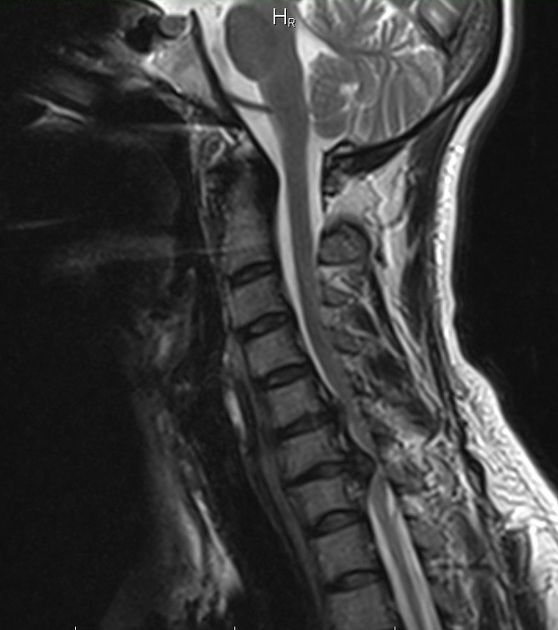
The discs in the neck act as cushions between the bones of the spine. When a disc becomes damaged, part of it can push outward and press on a nearby nerve.
This is called a disc herniation.
When a nerve is compressed, it can cause symptoms along the path of that nerve, often extending from the neck into the shoulder, arm, or hand.
IS THIS SERIOUS?
In most cases, a cervical disc herniation is not dangerous and improves with time and non-surgical treatment.
However, it can be very painful and disruptive.
In some cases, it may lead to:
- Persistent nerve pain
- Weakness in the arm
- Symptoms that do not improve with treatment
👉 The key is determining whether symptoms are improving or progressing.
SYMPTOMS
Symptoms depend on which nerve is affected.
Common Symptoms
- Neck pain
- Pain radiating into the shoulder or arm
- Sharp or burning pain in the arm
- Numbness or tingling in the arm or hand
- Weakness in the arm or hand
Symptoms often worsen with:
- Looking down
- Turning the head
- Prolonged sitting
🚨 When to Seek Prompt Evaluation
- Progressive arm weakness
- Loss of hand function
- Severe or worsening symptoms
- Signs of spinal cord involvement (balance issues, clumsiness)
CAUSES & RISK FACTORS
Disc herniations can occur due to:
Common Causes
- Age-related disc degeneration
- Sudden strain or injury
- Repetitive stress on the neck
Risk Factors
- Poor posture
- Sedentary work with prolonged neck flexion
- Prior neck injury
- Genetics
HOW IS THIS DIAGNOSED?
A. Clinical Evaluation
Diagnosis begins with:
- A detailed history of symptoms
- Physical exam
- Evaluation of strength, sensation, and reflexes
B. Imaging
Imaging may include:
- MRI (most important test) to visualize the disc and nerve compression
- X-rays to evaluate alignment
- CT scan in select cases
C. Additional Testing
- EMG/NCS may be used if the diagnosis is unclear
PREVENTION
Please see our webpage on prevention for different strategies to avoid reduce your risk of more
TREATMENT OPTIONS
A. Non-Surgical Treatment
Most patients improve without surgery.
Common treatments include:
- Physical therapy
- Anti-inflammatory medications
- Activity modification
- Short period of rest followed by gradual return to activity
- Epidural steroid injections in select cases
👉 Many patients improve over several weeks to months.
B. When Is Surgery Considered?
Surgery may be considered when:
- Symptoms persist despite non-surgical treatment
- Pain is severe and limiting function
- There is progressive weakness
- Imaging clearly shows nerve compression
C. Surgical Options
When surgery is needed, options may include:
Anterior Cervical Discectomy and Fusion (ACDF)
- Link to surgery information here
- Removal of the herniated disc
- Stabilization of the spine
Cervical Disc Replacement (CDR)
- Link to surgery information here
- Motion-preserving alternative in select patients
👉 The choice depends on anatomy, symptoms, and overall goals
OUR APPROACH
At STLMISC, I focus on treating symptoms—not just imaging findings.
- Many disc herniations improve with time and conservative care
- I emphasize non-surgical treatment first when appropriate
- Surgery is recommended only when there is clear benefit
- When surgery is needed, the goal is reliable relief of nerve symptoms with safe technique
👉 The right treatment depends on the severity and progression of symptoms
WHAT TO EXPECT
Before Treatment
- Evaluation of symptoms and neurologic exam
- MRI to confirm diagnosis
During Non-Surgical Care
- Gradual improvement is common
- Focus on reducing inflammation and restoring function
If Surgery Is Needed
- Typically a well-tolerated procedure
- Many patients experience relief of arm pain relatively quickly
- Recovery varies depending on the procedure
OUTCOMES & RISKS
Outcomes
- Many patients improve without surgery
- Surgical outcomes are generally very good when:
- Symptoms match imaging
- Nerve compression is clearly identified
Risks of Untreated Severe Cases
If severe nerve compression is left untreated:
- Persistent pain
- Weakness
- Loss of function in the arm or hand
FREQUENTLY ASKED QUESTIONS
Will this heal on its own?
In many cases, yes. The body can gradually reduce inflammation and pressure on the nerve.
Is arm pain more important than neck pain?
Yes. Arm pain (radiculopathy) is often more specific for nerve compression.
When should I consider surgery?
When symptoms persist, worsen, or include weakness.
Will surgery fix the problem completely?
Surgery is very effective for relieving nerve compression, especially arm pain.
FOR REFERRING PHYSICIANS
- Refer patients with:
- Persistent radiculopathy
- Weakness in the arm or hand
- Failure of conservative treatment
- MRI showing disc herniation with nerve compression
- MRI cervical spine is key for:
- Confirming diagnosis
- Surgical planning
- Urgent referral for:
- Progressive motor deficit
- Signs of myelopathy
- Severe neurologic symptoms
RELATED CONDITIONS / PROCEDURES
- Cervical Disc Degeneration
- Cervical Arthritis
- Cervical Radiculopathy
- Cervical Myelopathy
- ACDF Surgery
- Cervical Disc Replacement