





Spine tumors are abnormal growths that can occur in or around the spine. They may be benign (non-cancerous) or malignant (cancerous) and can affect the bones, spinal cord, or surrounding structures.
Quick Facts:
- Can be benign or malignant
- May involve bone, nerves, or spinal cord
- Often present with back pain
- Early evaluation helps guide appropriate treatment
👉 Request an Appointment
👉 Refer a Patient
WHAT IS A SPINE TUMOR?
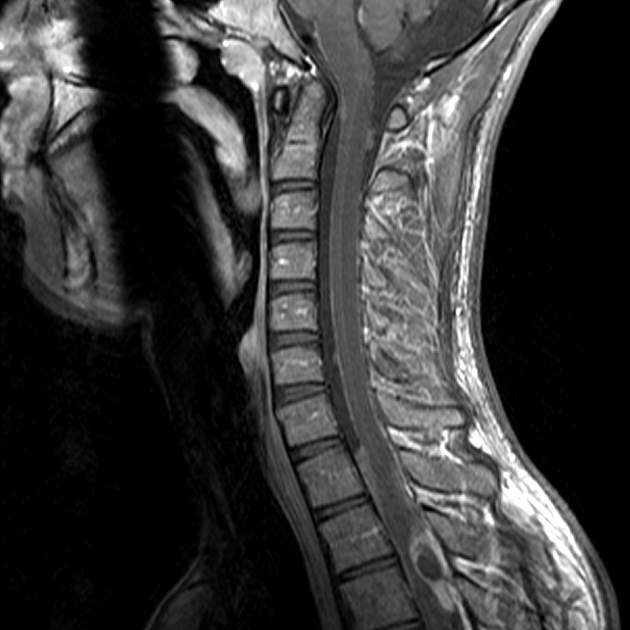
A spine tumor is an abnormal growth located in or near the spine. These tumors can arise from:
- The bones of the spine (vertebrae)
- The spinal cord
- The surrounding tissues
Tumors are generally classified as:
Benign Tumors
- Non-cancerous
- Often slow-growing
- May still cause symptoms depending on location
Malignant Tumors
- Cancerous
- May originate in the spine or spread from another part of the body (metastatic disease)
👉 The location and type of tumor determine its impact and treatment
IS THIS SERIOUS?
Spine tumors vary widely in severity.
Benign Tumors
- May be monitored or treated
- Often manageable
Malignant Tumors
- May require urgent evaluation
- Can affect stability and neurologic function
👉 The key is early diagnosis and appropriate treatment planning
SYMPTOMS
Symptoms depend on the location and size of the tumor.
Common Symptoms
- Persistent back or neck pain
- Pain that does not improve with rest
- Night pain
Neurologic Symptoms
- Numbness or tingling
- Weakness
- Difficulty walking
- Loss of coordination
Other Symptoms
- Unexplained weight loss
- Fatigue
🚨 When to Seek Prompt Evaluation
- Progressive weakness
- Difficulty walking
- Severe or persistent pain
- History of cancer with new back pain
👉 These may indicate spinal cord or nerve involvement
CAUSES & RISK FACTORS
Primary Spine Tumors
- Originate in the spine
- Often rare
Metastatic Tumors (Most Common)
- Spread from other cancers such as:
- Lung
- Breast
- Prostate
- Kidney
Risk Factors
- History of cancer
- Certain genetic conditions
HOW IS THIS DIAGNOSED?
A. Clinical Evaluation
- Review of symptoms
- Medical history (including cancer history)
- Neurologic examination
B. Imaging
- MRI (most important test) to evaluate tumor and spinal cord
- CT scan for bone involvement
- X-rays for alignment
C. Additional Testing
- Biopsy to determine tumor type
- Laboratory studies
- Coordination with oncology
👉 Accurate diagnosis is essential for treatment planning
TREATMENT OPTIONS
Treatment depends on the type of tumor and its effects.
A. Non-Surgical Treatment
Some tumors are treated with:
- Observation (for small, benign tumors)
- Radiation therapy
- Chemotherapy
- Medical management
B. When Is Surgery Considered?
Surgery may be recommended when:
- There is spinal cord or nerve compression
- There is spinal instability
- A tissue diagnosis is needed
- Pain is severe and persistent
C. Surgical Options
When surgery is needed, it may include:
- Tumor removal
- Decompression of the spinal cord
- Stabilization of the spine
👉 The goal is to relieve pressure, maintain stability, and improve function
OUR APPROACH
We focus on coordinated, individualized care for patients with spine tumors.
- Care is tailored to the type of tumor and patient needs
- We work closely with oncology, radiation, and medical specialists
- Treatment decisions are based on symptoms, stability, and overall health
- Surgery is used when it provides clear benefit
👉 The goal is to provide safe, effective, and comprehensive care
WHAT TO EXPECT
Before Treatment
- Imaging and diagnostic evaluation
- Determination of tumor type
During Treatment
- Coordination with specialists
- Individualized treatment plan
After Treatment
- Monitoring and follow-up
- Rehabilitation if needed
OUTCOMES & RISKS
Outcomes
- Depend on tumor type and stage
- Many patients achieve good symptom control
- Early treatment improves outcomes
Risks of Untreated Tumors
- Progressive pain
- Spinal instability
- Spinal cord compression
- Neurologic deficits
FREQUENTLY ASKED QUESTIONS
Are all spine tumors cancer?
No. Some are benign and slow-growing.
What are the first signs?
Persistent back pain, especially if it does not improve.
Do all tumors require surgery?
No. Treatment depends on the type and symptoms.
How quickly should this be evaluated?
Prompt evaluation is important, especially with neurologic symptoms.
FOR REFERRING PHYSICIANS
- Refer patients with:
- Suspected spine tumor
- Persistent back pain with red flags
- History of cancer with new spine symptoms
- Imaging:
- MRI spine urgently
- Urgent referral for:
- Neurologic deficits
- Suspected spinal cord compression
RELATED CONDITIONS / PROCEDURES
- Spine-Related Medical Conditions
- Spine Decompression Surgery
- Spine Instrumentation Surgery
- Spine Fusion Surgery
- Minimally Invasive Spine Surgery