





A spinal cord injury occurs when the spinal cord is damaged, leading to loss of movement, sensation, or both below the level of injury. These injuries can range from mild to severe and require prompt evaluation and specialized care.
Quick Facts:
- Can affect movement and sensation below the injury level
- Often caused by trauma
- Requires urgent evaluation
- Early treatment improves outcomes
👉 Request an Appointment
👉 Refer a Patient
WHAT IS A SPINAL CORD INJURY?
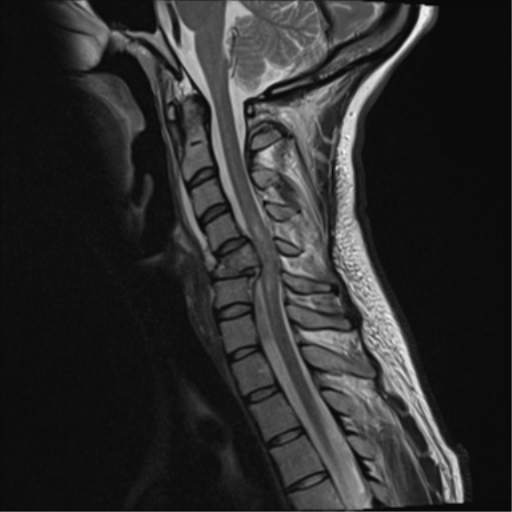
The spinal cord is a bundle of nerves that carries signals between the brain and the rest of the body.
A spinal cord injury occurs when:
- The cord is compressed, bruised, or damaged
- Signals between the brain and body are disrupted
Depending on the level and severity of injury, this can affect:
- Movement (motor function)
- Sensation
- Coordination
👉 The effects depend on where the injury occurs and how severe it is
IS THIS SERIOUS?
Spinal cord injuries are serious medical conditions.
Mild Injuries
- Temporary symptoms
- Partial recovery possible
Severe Injuries
- Permanent loss of function
- Paralysis
- Long-term disability
👉 Early evaluation and treatment are critical
SYMPTOMS
Symptoms depend on the location and severity of injury.
Common Symptoms
- Weakness or inability to move
- Loss of sensation
- Numbness or tingling
- Pain
Functional Symptoms
- Difficulty walking
- Loss of coordination
- Reduced balance
Severe Symptoms
- Paralysis
- Loss of bowel or bladder control
- Difficulty breathing (in higher-level injuries)
🚨 Emergency Symptoms
- Sudden weakness or paralysis
- Loss of sensation
- Loss of bowel or bladder control
- Severe trauma with neck or back pain
👉 These require immediate emergency care
CAUSES & RISK FACTORS
Common Causes
- Motor vehicle accidents
- Falls
- Sports injuries
- Trauma
Other Causes
- Tumors
- Infections
- Degenerative conditions causing compression
HOW IS THIS DIAGNOSED?
A. Clinical Evaluation
- Neurologic examination
- Assessment of strength, sensation, and reflexes
B. Imaging
- MRI (most important test) to evaluate the spinal cord
- CT scan for fractures
- X-rays for alignment
👉 Rapid diagnosis is critical
TREATMENT OPTIONS
Treatment depends on the type and severity of injury.
A. Emergency Management
- Stabilization of the spine
- Prevention of further injury
- Hospital-based care
B. Non-Surgical Treatment
- Immobilization
- Rehabilitation
- Supportive care
C. When Is Surgery Considered?
Surgery may be needed when:
- There is spinal cord compression
- There is instability
- There are fractures requiring stabilization
D. Surgical Options
- Decompression of the spinal cord
- Stabilization with instrumentation
- Realignment of the spine
👉 The goal is to protect the spinal cord and prevent further damage
OUR APPROACH
We focus on timely evaluation and coordinated care for spinal cord injuries.
- These injuries require urgent attention
- We work closely with trauma teams and specialists
- Treatment is individualized based on the injury
- Long-term recovery focuses on maximizing function
👉 The goal is to protect neurologic function and support recovery
WHAT TO EXPECT
Early Phase
- Hospital evaluation and stabilization
- Imaging and diagnosis
Treatment Phase
- Surgical or non-surgical management
- Monitoring for neurologic changes
Recovery Phase
- Rehabilitation
- Gradual improvement depending on injury severity
OUTCOMES & RISKS
Outcomes
- Depend on severity and timing of treatment
- Some patients recover function
- Others may have long-term deficits
Risks of Severe Injury
- Permanent paralysis
- Loss of independence
- Chronic complications
👉 Early care improves outcomes
FREQUENTLY ASKED QUESTIONS
Can spinal cord injuries heal?
Recovery varies depending on the severity of injury.
Is surgery always required?
No, but it is often needed when there is compression or instability.
How quickly should this be treated?
Immediately—this is a medical emergency.
What affects recovery?
Severity of injury, level of injury, and timing of treatment.
FOR REFERRING PHYSICIANS
- Refer immediately for:
- Suspected spinal cord injury
- Neurologic deficits
- Trauma with neurologic symptoms
- Imaging:
- MRI urgently
- CT for fracture assessment