





A brain aneurysm is a weakened area in a blood vessel that can bulge or rupture. When an aneurysm ruptures, it can cause a subarachnoid hemorrhage (SAH), a serious and potentially life-threatening condition.
Quick Facts:
- Many aneurysms are found incidentally
- Rupture can cause sudden, severe symptoms
- Early treatment is critical
- Both surgical and minimally invasive treatments are available
👉 Request an Appointment
👉 Refer a Patient
WHAT IS A BRAIN ANEURYSM?
A brain aneurysm is a weakened area in the wall of a blood vessel that bulges outward, similar to a small balloon.
Over time, an aneurysm may:
- Remain stable
- Grow larger
- Rupture and bleed
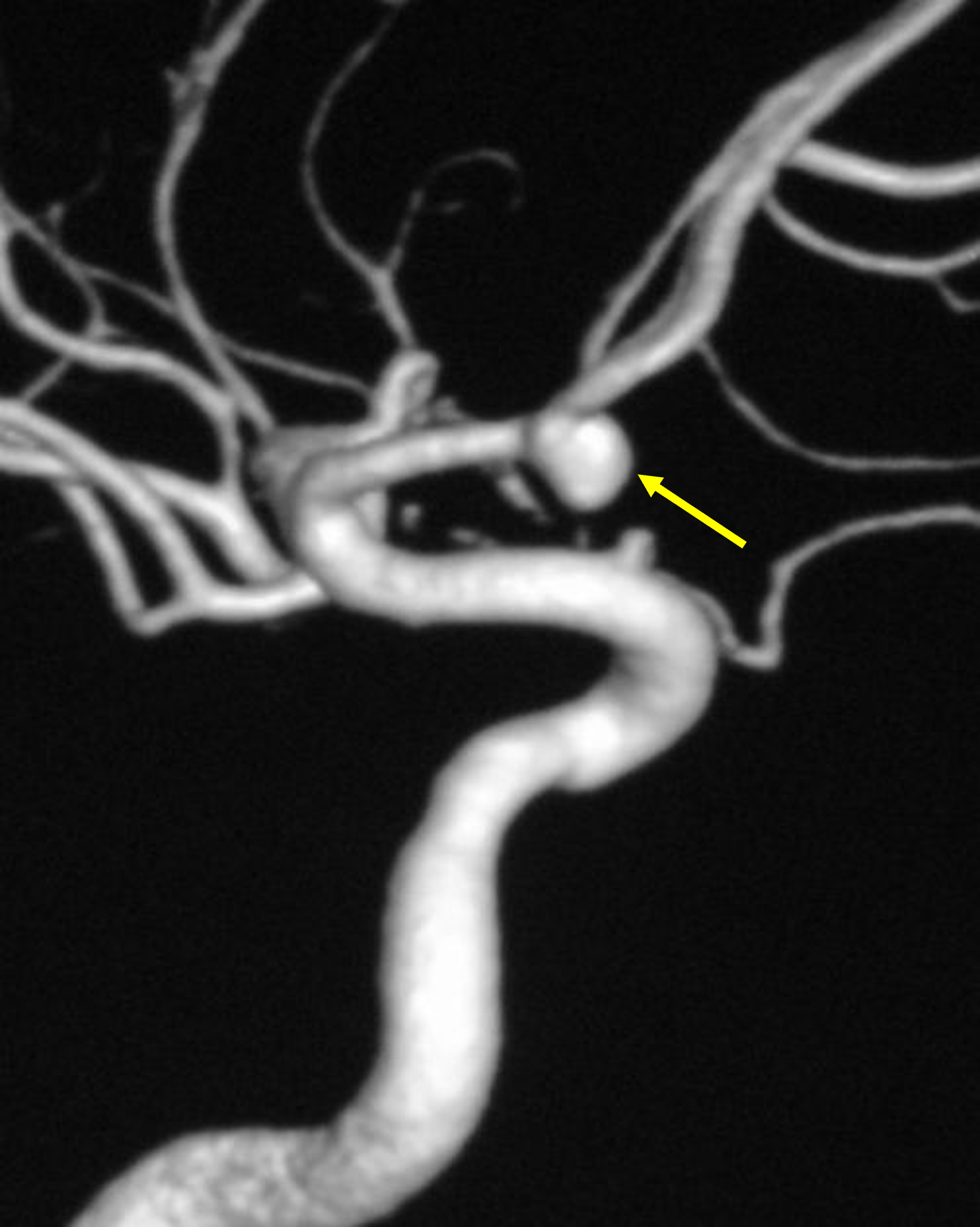
What Happens When an Aneurysm Ruptures?
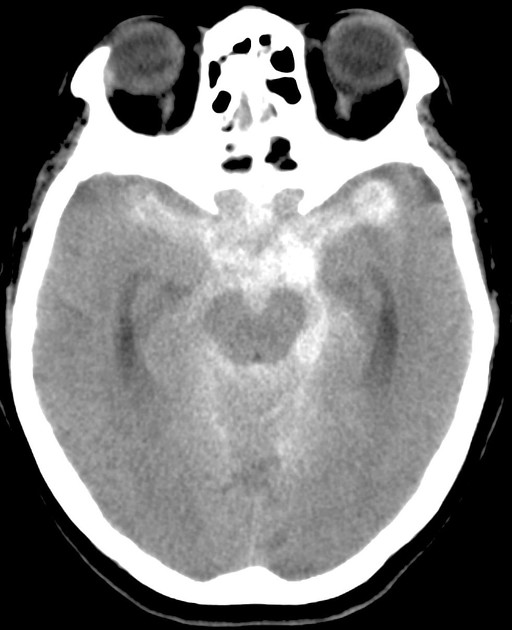
When an aneurysm ruptures, it causes bleeding into the space around the brain. This is called a subarachnoid hemorrhage (SAH).
SAH is a medical emergency that requires immediate evaluation and treatment.
IS THIS LIFE-THREATENING?
Unruptured Aneurysms
- Often not immediately dangerous
- Risk depends on size, location, and patient factors
Subarachnoid Hemorrhage (SAH)
- Life-threatening emergency
- Can cause brain injury, stroke, or death
- Requires urgent treatment
👉 Rapid diagnosis and treatment significantly improve outcomes
SYMPTOMS
Unruptured Aneurysm
Many aneurysms cause no symptoms.
Possible symptoms (if present):
- Headache
- Vision changes
- Eye pain
- Numbness or weakness
Ruptured Aneurysm (SAH)
- Sudden, severe headache (“worst headache of life”)
- Nausea and vomiting
- Neck stiffness
- Sensitivity to light
- Loss of consciousness
🚨 When to Seek Emergency Care
- Sudden severe headache
- Loss of consciousness
- New neurologic symptoms
👉 Call emergency services immediately if SAH is suspected
CAUSES & RISK FACTORS
Aneurysms develop due to weakness in the blood vessel wall.
Risk Factors
- High blood pressure
- Smoking
- Family history of aneurysm
- Certain genetic conditions
HOW IS THIS DIAGNOSED?
A. Clinical Evaluation
- Assessment of symptoms and neurologic status
B. Imaging
- CT scan (first test in suspected rupture)
- CT angiography (CTA) or MR angiography (MRA)
C. Advanced Testing
- Catheter angiogram (gold standard blood vessel imaging)
- Used for detailed evaluation and treatment planning
TREATMENT OPTIONS
Treatment depends on whether the aneurysm is ruptured and the patient’s overall condition.
A. Non-Surgical Management
For some unruptured aneurysms:
- Observation with imaging
- Blood pressure control
- Lifestyle modification
B. When Is Treatment Recommended?
Treatment is considered when:
- The aneurysm has ruptured
- The aneurysm has a high risk of rupture
- Symptoms are present
- Patient-specific risk factors favor treatment
C. Treatment Options
Surgical Clipping
- Click here to learn more
- Open surgery to place a clip across the aneurysm
- Provides durable, long-term protection
Endovascular Treatment
- Click here to learn more
- Minimally invasive approach through blood vessels
- Includes coiling and stenting
Supportive Care (for SAH)
- ICU monitoring
- Management of complications (vasospasm, hydrocephalus)
OUR APPROACH
We focus on individualized, evidence-based aneurysm care.
- Not all aneurysms require treatment
- Decisions are based on risk of rupture vs treatment risk
- We work closely with endovascular specialists to determine the best approach
- In urgent cases, rapid coordination of care is critical
👉 The goal is long-term protection and optimal neurologic outcome
WHAT TO EXPECT
Unruptured Aneurysm
- Outpatient evaluation
- Imaging and risk assessment
- Discussion of observation vs treatment
Ruptured Aneurysm (SAH)
- Emergency hospitalization
- ICU care
- Urgent treatment of the aneurysm
- Monitoring for complications
Recovery
- Recovery varies widely
- Follow-up imaging and long-term care are often needed
OUTCOMES & RISKS
Outcomes
- Many unruptured aneurysms remain stable
- Early treatment of rupture improves survival
- Outcomes depend on severity and timing of care
Risks
- Bleeding or re-bleeding
- Stroke
- Vasospasm (narrowing of blood vessels after SAH)
- Hydrocephalus
- Neurologic deficits
FREQUENTLY ASKED QUESTIONS
Do all aneurysms need treatment?
No. Many can be safely monitored.
How dangerous is a rupture?
Rupture is a serious emergency that requires immediate care.
What is the best treatment?
It depends on the aneurysm and patient—both surgical and endovascular options are considered.
Can aneurysms come back?
After treatment, recurrence is uncommon but follow-up imaging is important.
FOR REFERRING PHYSICIANS (Optional Expandable Section)
- Refer patients with:
- Known or suspected aneurysm
- We uses PHASES score to estimate rupture risk and ELAPSS score to estimate aneurysm growth risk
- Abnormal vascular imaging
- Family history with concerning findings
- Known or suspected aneurysm
- Imaging:
- CTA or MRA for initial evaluation
- Catheter angiography for definitive assessment (only obtain if considering for treatment / documented growth)
- EMS – not referral:
- Suspected subarachnoid hemorrhage
- Neurologic decline
- Severe headache
RELATED CONDITIONS / PROCEDURES
- Stroke & Intracranial Hemorrhage
- Vascular Malformations
- Catheter Angiogram
- Aneurysm Clipping
- Endovascular coiling / stenting